How 900-Degree Coal Ovens Change a Pizza
Coal-fired cooking is why an Anthony's coal fired pizza does not taste like a standard chain pie. Fuel, temperature, and speed do the work.
See the coal-fired menuThe fuel first
What a coal oven is
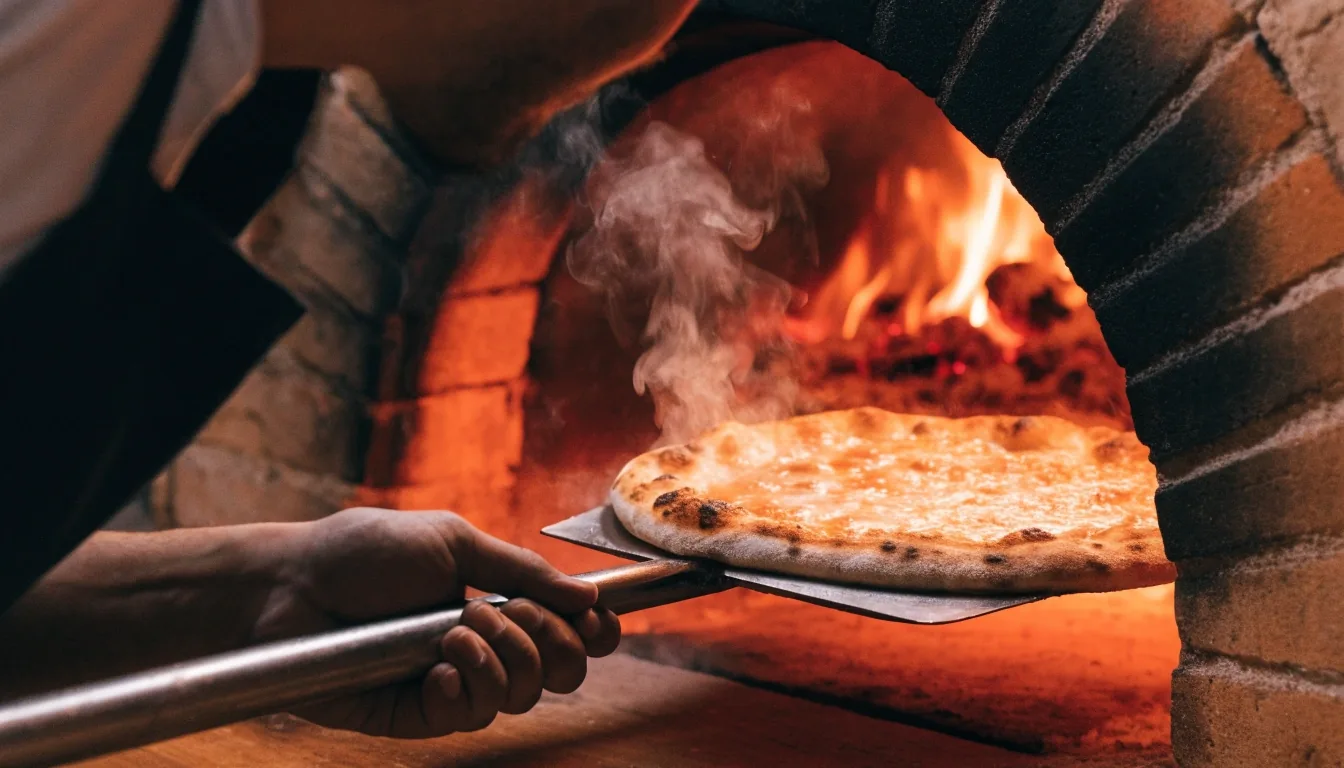
A coal oven burns a solid coal bed rather than gas or wood. That bed holds a high, steady temperature, and the thick oven chamber keeps it through a long dinner rush. At Anthony's Coal Fired Pizza, that means heat near 900 degrees, well above a typical gas deck or conveyor line.
The higher temperature changes the bake from the first minute. The crust hits intense radiant heat from above and stored heat from the deck below, so it sets before it can dry out. If you came looking for anthony's coal fired explained plainly, start here: fuel makes the heat, heat makes the speed.
Coal bed heat
Solid fuel, steady hold
AROUND 900°
Oven chamber
Built to retain heat
LONG SERVICE
Conveyor comparison
Lower heat, longer bake
SLOWER BAKE
That stored heat is the reason an anthony coal fired pizza finishes crisp outside while the inside stays tender.
Why 900 degrees matters
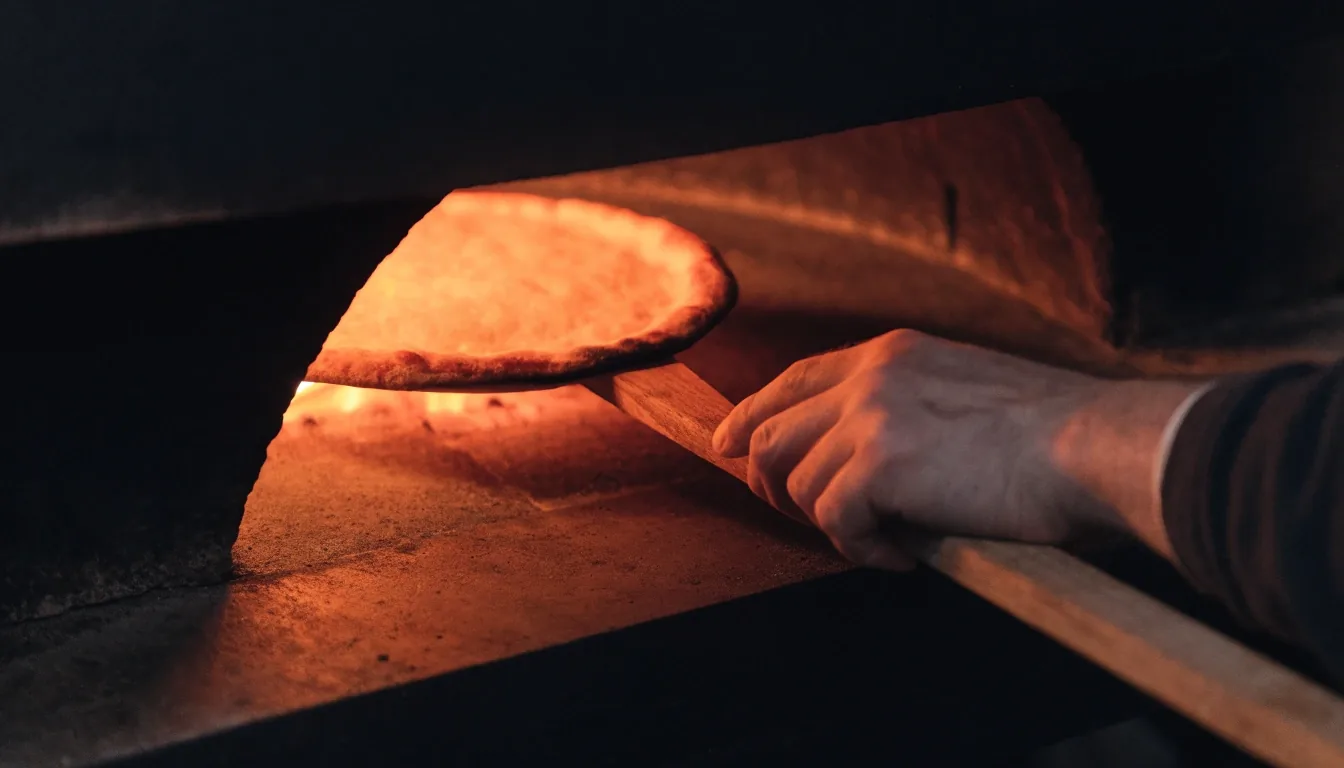
At 900 degrees a thin crust bakes fast. The outside sets and spots before the inside can dry.
That speed is the whole mechanism. In a slower, lower-heat oven the dough sits longer, loses more moisture, and turns softer and breadier. Here the edge chars, the base firms up, and the pizza is done in a fraction of the time. Spotting along the rim is not a flaw. It is the signature of the temperature.
What happens to the crust
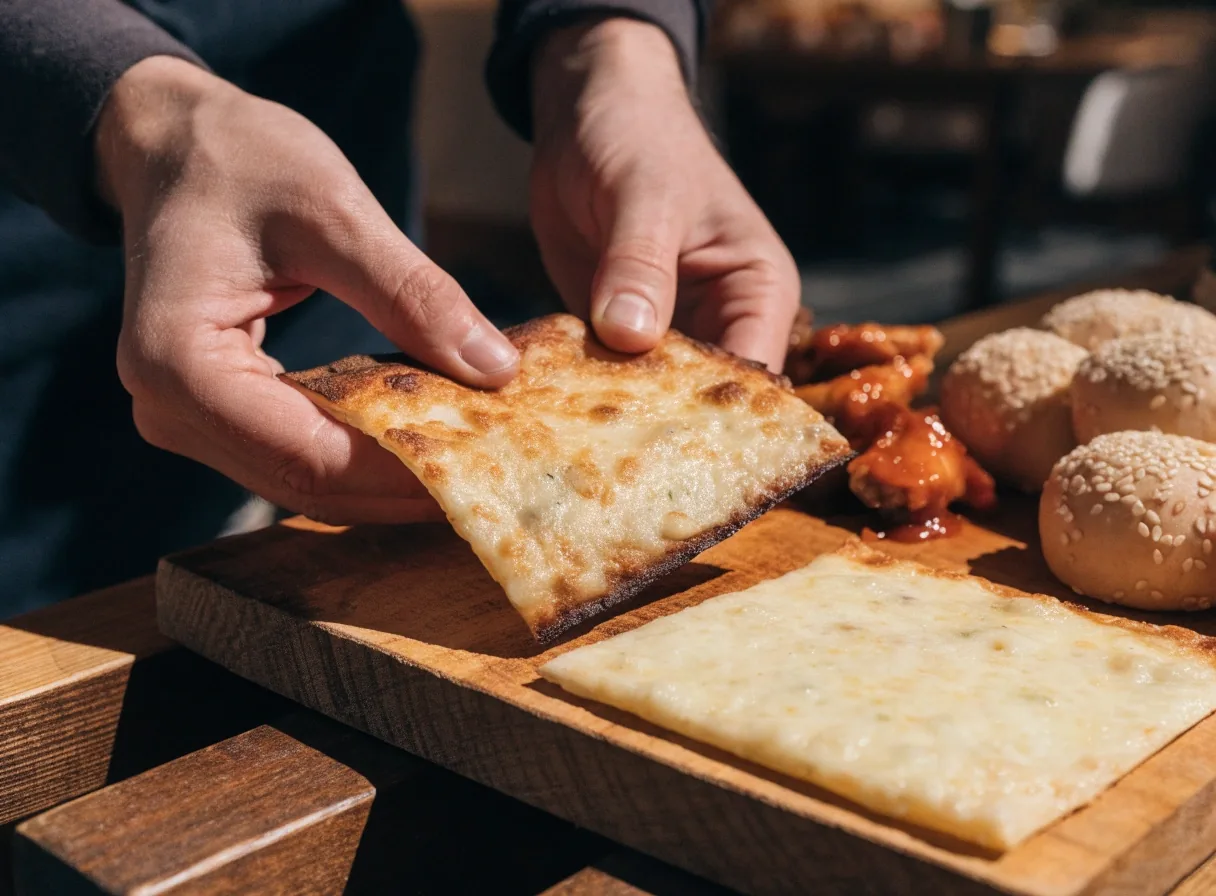
Expect a crisp, thin base rather than a floppy one, with visible char and a rim that pulls with a slight chew. The center stays firm enough to hold toppings without sagging. Put it next to standard delivery pizza and the difference is immediate: that slower bake reads softer all the way through.
Coal-fired
Thin, crisp, charred
Fast bake at high heat. Firm center, blistered edge, toppings sit on top instead of sinking in. This is the thin crust charred crust people describe at ACFP.
Regular chain
Softer, breadier, paler
Gas deck or conveyor at lower heat means a longer bake. More time evens out color but softens structure. Different texture, different meal.
Neither style is better in the abstract. Coal-fired is simply more specific about what it wants: speed and char.
TEXTURE CHOICE
Coal-fired versus regular pizza
Regular pies trade speed for uniformity. Longer time in a milder oven dries some spots and softens others. Coal-fired pizza does the opposite: quick finish, drier blistered rim, firmer middle. If you like a base you can hear when you fold it, you will notice it here.
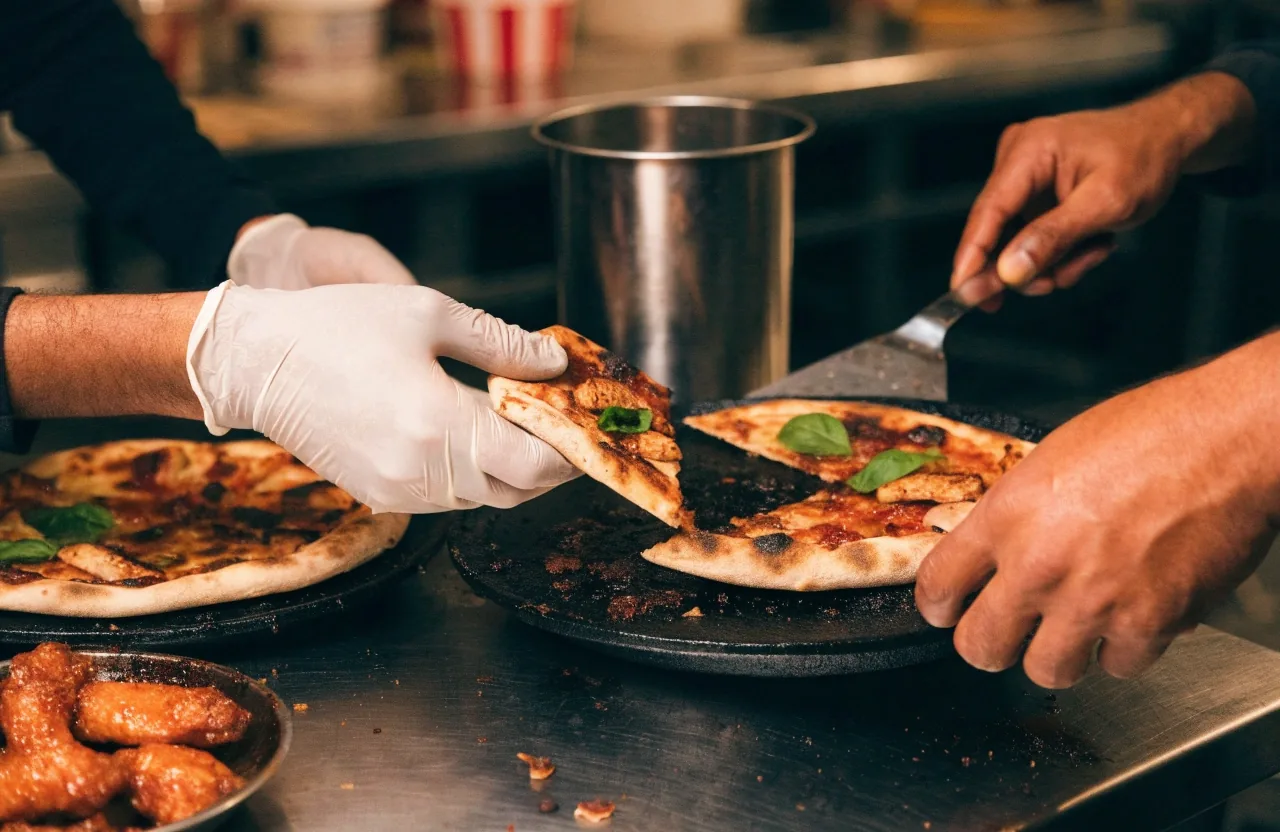
From the same heat
How toppings behave at high heat
High heat finishes toppings before they can water out. Vegetables and meats cook fast rather than steaming under cheese, so heavier combinations keep their shape. That is why specialty pies with more ingredients still hold together at Anthony's coal fired, where the same pie would slump in a slower oven.
How this shapes the wings
Anthony's coal fired pizza and wings share one kitchen idea: roast hot instead of frying. The wings come out with a firmer exterior and less grease than a standard bar wing.
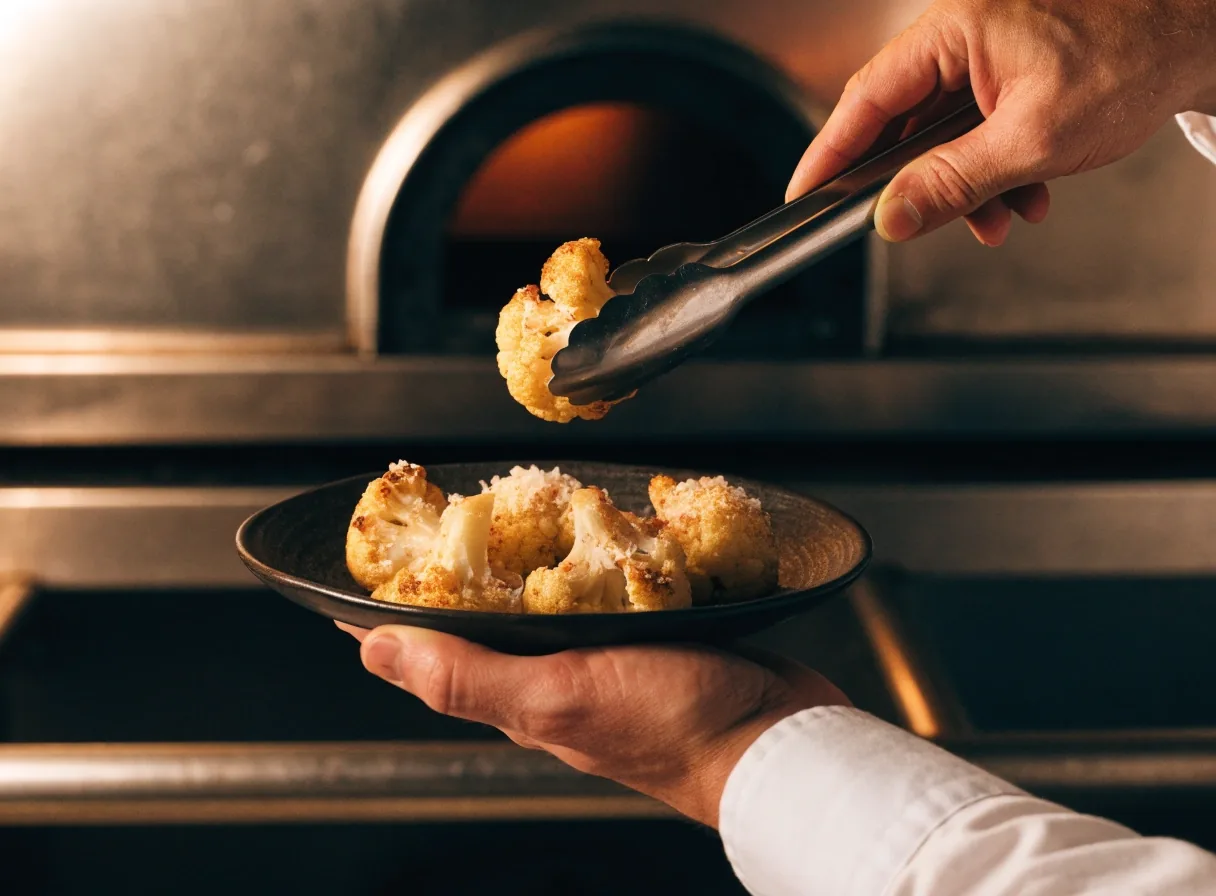
Where this fits in the broader menu
The oven sets the tone, but it is not the only tool. Garlic knots, pasta, and chicken dishes round out the Italian-American side that regulars know from anthony's coal fired pizza. The Coal Heat Cauli plate, with cauliflower, garlic Romano sauce, buffalo sauce, blue cheese, and salt, shows how the kitchen treats vegetables with the same direct heat.
Plan a group orderWhy coal-fired pizza is best eaten fresh
A fast, hot bake leaves the crust crisp the moment it leaves the deck. Steam is what softens it. Close the box while it is steaming and that thin base relaxes quickly, faster than a thick delivery crust would.
If you pick up, keep the trip short and do not stack hot boxes. Eat one slice at the counter if you can. That first crackle is the style at its clearest.
Order one traditional pie and watch the edge.
If you like the char and the firm base, the specialty pies will work for you too. If you prefer a softer, breadier crust, this style may not be your default. That is the point of the format at ACFP: a specific texture, stated plainly so you can choose.
Good to know
Questions about coal-fired cooking
Short answers on temperature, texture, wings, and freshness, drawn from how the oven works.
What temperature does the coal oven run at?+
Around 900 degrees in this format, which is higher than a typical gas deck or conveyor oven. That gap is what shortens the bake and creates char.
How is coal-fired pizza different from regular chain pizza?+
The higher heat bakes the crust faster, producing a crisp, thin base with char along the edge instead of a softer, breadier crust. The 900-degree coal oven pizza style is built for that contrast.
Do the wings use the same approach?+
They are roasted rather than deep-fried, which gives them a firmer texture and less grease than a standard bar wing. One hot kitchen, two dishes that show it.
Why is it best eaten fresh?+
The crust is crisp when it leaves the oven. Trapped steam in a closed box softens it, so a short trip home matters, especially with a thin coal-fired base.
Visiting soon? Dining rooms are open Mon–Sun, 11:00 AM – 10:00 PM. For large pickups, start with Catering and Group Orders or Contact.